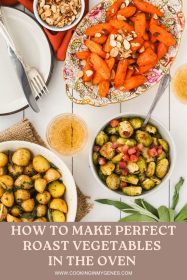
Sharing my top tips and techniques to help you roast vegetables to perfection with crispy edges and tender centers every time you cook.
Everything you need to know about roasting vegetables
If you think you don’t like vegetables, or you have a picky eater at home – you probably just haven’t tried them roasted. While boiling or steaming can leave veggies on the bland and soggy side, high heat transforms them completely.
Roasting caramelizes their natural sugars, turning simple roots and greens into crispy, savory treats. Whether you want to upgrade your weeknight dinners, prep healthier meals, or impress your guests, mastering the simple art of roasting is the easiest way to make vegetables the best part of your plate. This method will turn even your picky eaters into a veggie fans.
Cutting vegetables for roasting
Root Vegetables
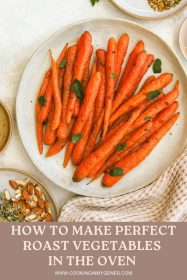
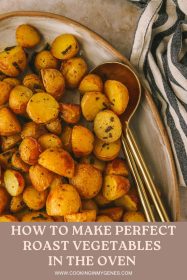
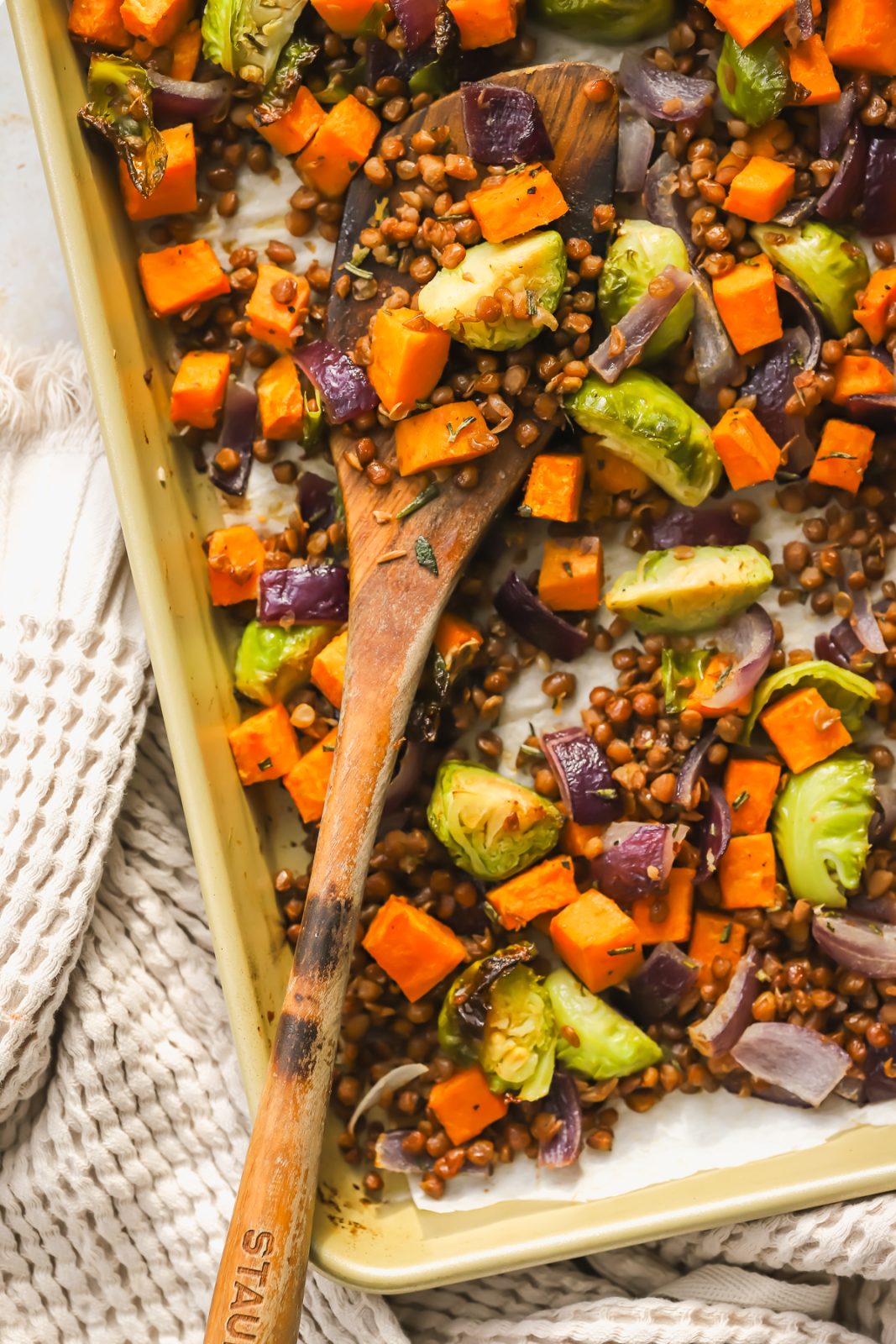
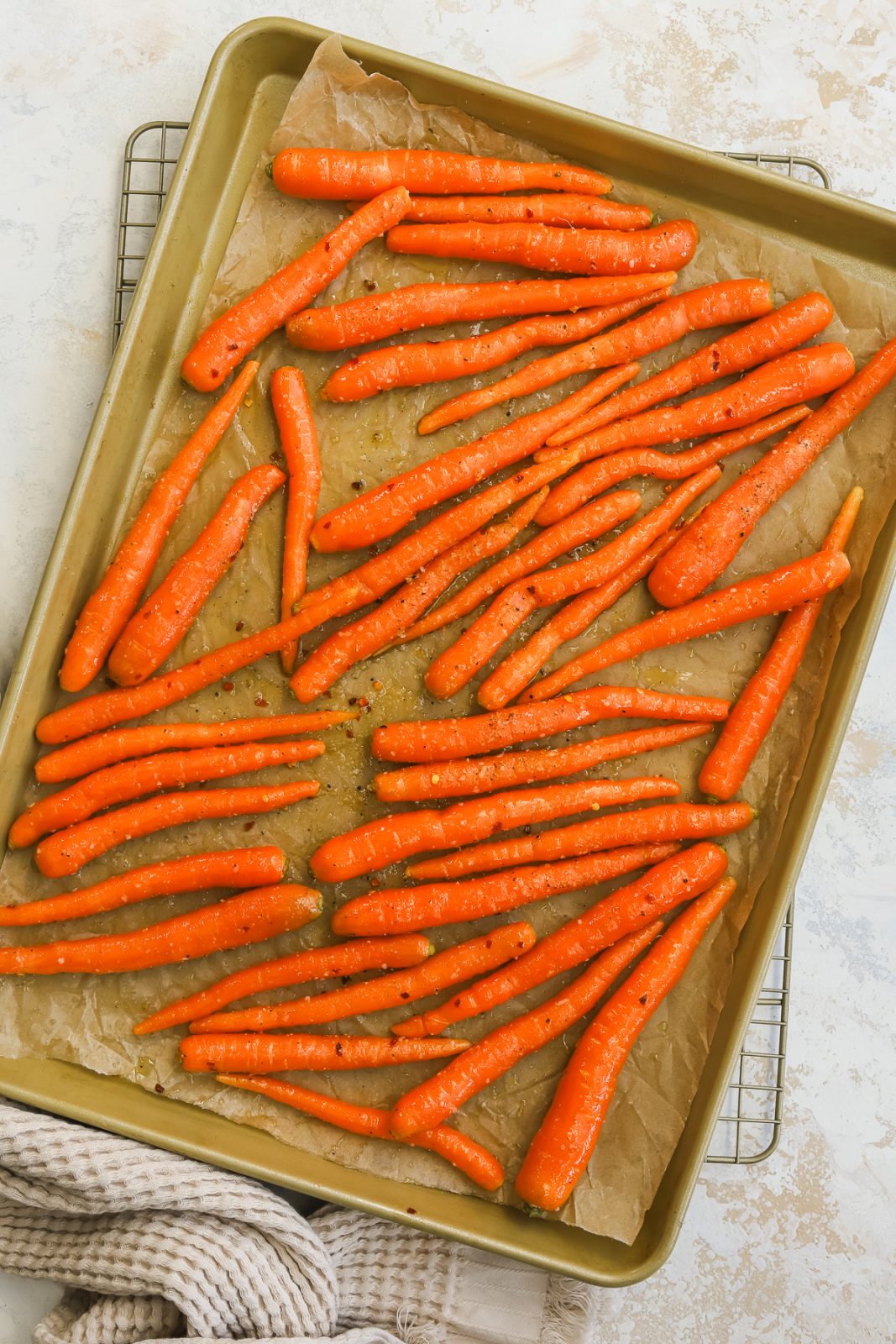
What is considered a root vegetable? Potatoes, sweet potatoes, carrots, parsnips, and beets. You can also treat hard shelled squash the same way, think butternut squash. They are typically grown in the ground and harder vegetables.
How to prep them: Dice them into uniform, smaller pieces to ensure consistent cooking.
Cruciferous Vegetables
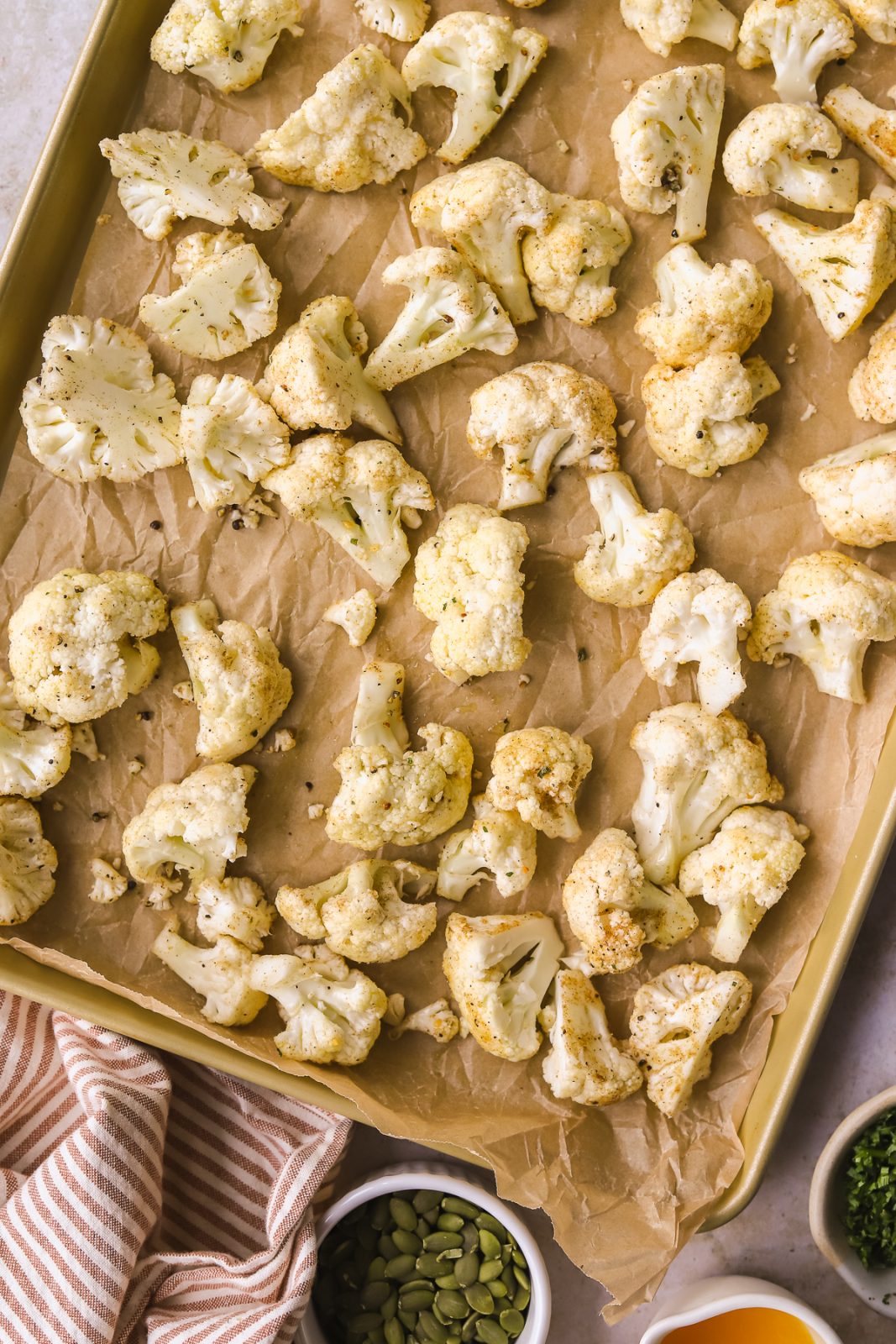
What is considered a Cruciferous vegetable? Broccoli, cauliflower, Brussels sprouts, and cabbage.
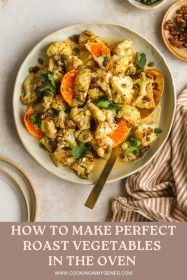
How to prep them: For broccoli and cauliflower, cut their tops into smaller florets, of similar size. Depending on the size of the Brussels sprouts, they can either be roasted whole, or cut lengthways, and roasted cut side down.
High-Moisture Vegetables
What is considered a high-moisture vegetable? Bell peppers, zucchini, yellow squash, eggplant, mushrooms and cherry tomatoes.
How to prep them: Arrange in a single layer, well spaced, to allow water to evaporate as this will prevent them from steaming vs. roasting.
Aromatics
What is considered an aromatic? White, yellow and red onion, shallots, leeks, and whole garlic cloves.
How to prep them: Peel away the onions papery skins. Cut onions into large chunks, do not separate the layers. Cuts leeks into thick rounds, keeping them circles in tact. Leave the paper skin on your garlic.
What is the secret to roasting vegetables?
The fundamental secret to roasting vegetables is a combination of high heat, the right amount of oil and lots of space.
High Temperature: Roast at 400F to 425F.
Lots of Space: Leave clear space between each vegetable piece on the baking sheet.
Oil: You need enough oil and the right kind of oil. Make sure to use a high-smoke point oil and completely coat each vegetable piece. A good rule is roughly 1-2 tablespoons of oil per pound of vegetables.
Is it better to roast veggies at 400F or 425F?
The goal of roasting vegetables is crispy edges and tender centres. For general vegetable roasting, 425F is the ideal choice to achieve this.
The high heat triggers the natural sugars browning on squash and carrots, and creates crispy edges on vegetables like broccoli and cauliflower.
On the other hand, 400F is a safer choice for more delicate items and denser root vegetables that require more time to cook through without burning. Think peppers or sweet potatoes. This slightly lower temperature also works best if your oven runs hot.
How I like to make roasted vegetables
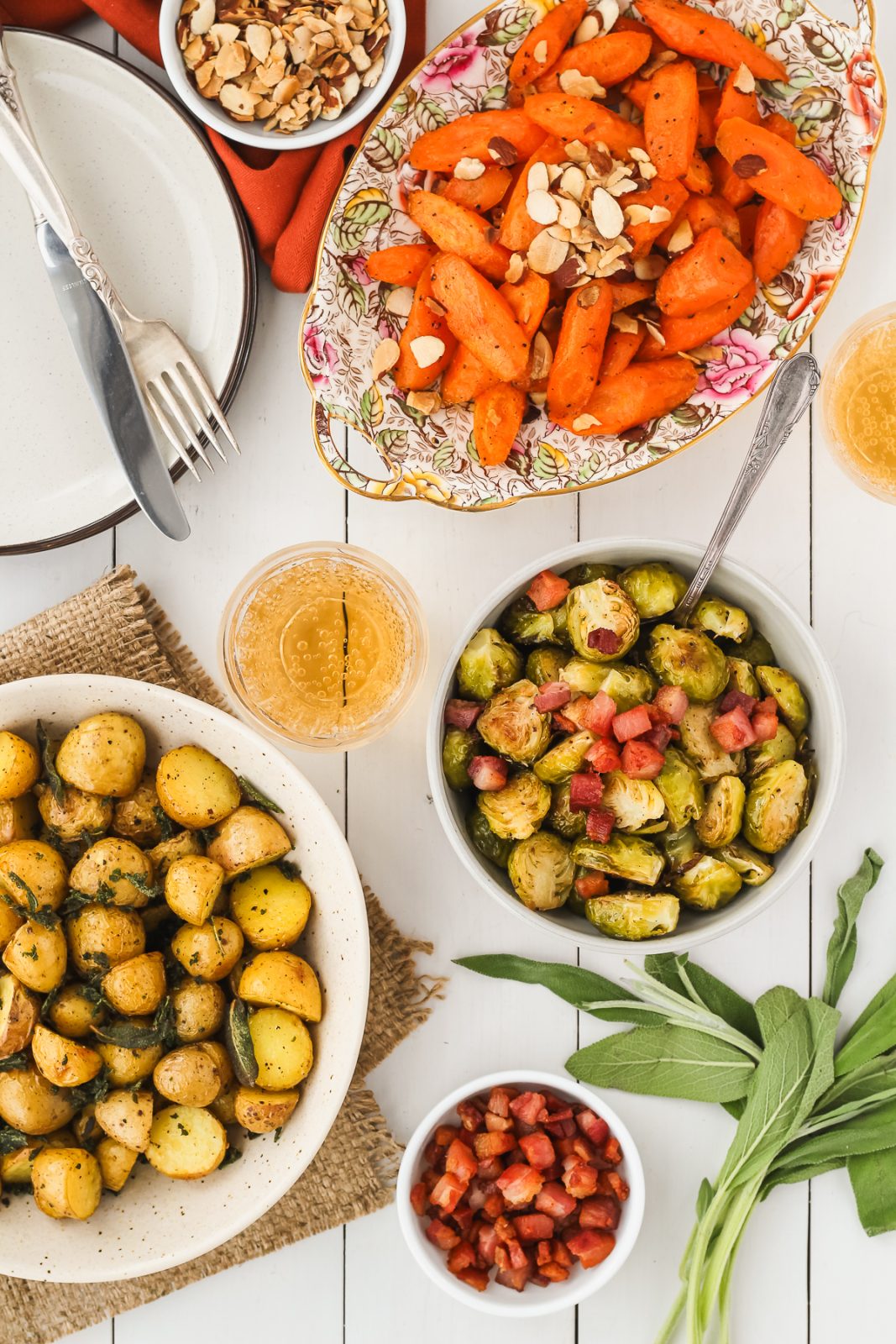
Roasting vegetables is one of my year-round favorite ways to cook them. They can make a hearty side dish or be a part of a one sheet pan dinner. There versatility can be seen in my recipes for:
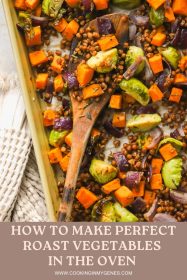
Easy Sheet Pan Roasted Vegetables (3 side dishes!)
Perfect for serving a crowd, these Sheet Pan Roasted Vegetables is three side dishes in one! You can also meal prep these for the week ahead.
Roasting vegetables is incredibly simple – but it does require a few rules of thumb. My tried and tested steps below will ensure your veggies come out with perfetly crisp edges and tender centres, which is always the goal when roasting!
Oven and equipment
Preheat the oven: Roast at a high heat, typically between 400F and 450F. High heat quickly evaporates surface moisture to crisp up the edges while cooking the inside until they are tender.
Use a dark pan: Food browns faster on older, dark-coated or seasoned baking sheets because they absorb and radiate heat much more effectively than shiny, light-colored pans. Even if using parchment paper, the pan does make a difference.
Preparation: washing, cutting and spacing
Dry thoroughly: Moisture is the enemy of a good roast. After washing your vegetables, pat them completely dry with a paper towel. Excess surface water will create steam, essentially steaming the v eggies instead of roasting them.
Even pieces: Chop your vegetables into equal-sized pieces. This ensures they all cook at the same rate, avoiding a mix of burnt and undercooked pieces.
Maximize surface area: When cutting, try to create flat edges (like slicing Brussels sprouts or potatoes in half). Place those flat sides directly face-down on the baking sheet for maximum contact with the heat.
Give them space:Do not overcrowd the pan. Arrange your veggies in a single, spaced layer with at least a little breathing room between pieces. If they are piled on top of each other, they will trap steam and turn mushy. Use multiple pans if necessary.
Seasoning and sheet pan placement
Coat, don’t drown: Toss your vegetables in a bowl with oil before spreading them on the pan to ensure every surface is lightly coated. Use an oil with a high smoke point, like Avocado Oil or olive oil, avoid extra-virgin olive oil, which can smoke at high heat.
Group: Different vegetables have different cooking times. To bake everything evenly on a single pan, you can either group similar items together, and roast on separate baking sheets, or stagger them. Group the following:
Asparagus, green beans
Zucchini, bell peppers, cherry tomatoes, mushrooms
Stagger them:Add them to the pan in stages – starting with your root vegetables first, as they will take the longest, then adding the softer veggies later during the roasting time.
What seasoning is good for roast vegetables?
The holy trinity of seasoning is olive oil, salt and black pepper. It’s simply perfect as is, but also serves as the foundation to let your imagination run wild!
Always use a high smoke-point oil, like an extra virgin olive oil, avocado oil or ghee, and;
use salt and pepper of choice – you can use table salt, kosher or sea salt and ground pepper or freshly cracked black pepper. Whatever you have on hand.
Try picking a theme:
Mediterranean: Dried rosemary, thyme, oregano, and garlic powder.
Smoky & Warm: Smoked paprika, cumin, coriander, and a pinch of cayenne pepper.
Salty & Savory: Onion powder, garlic salt, and dried dill.
Add a post-roast finish, add right out of the oven:
A squeeze of fresh lemon juice, lime juice, or a drizzle of balsamic vinegar cuts through the richness of the oil.
Finely chopped fresh herbs, parsley, cilantro, chives, or basil add a fresh, bright contrast to the charred edges.
Grated Parmesan cheese, toasted pine nuts, or a drizzle of hot honey brings any vegetable choice to the next level.
Vegetable roasting seasonings for every season of the year
I like to vary my seasoning based on the time of year. Below are some suggestions and jumping off points for you to mix and match, making your roasted vegetable dish your very own.
Spring: Light & Bright
Focus on bright, herbs that complement early season greens and vegetables. Spring veggies that roast well are broccolini, spring carrots, asparagus, radishes and snap peas.
Key Ingredients: Fresh dill, chives, mint, lemon zest, pepper, and a light drizzle of honey.
Summer: Fresh & Zesty
Think high-contrast flavors that cut through the natural sweetness and juices of peak-season veggies. Summer veggies to roast include, bell peppers, green beans, cherry tomatoes, zucchini and sweet corn.
Use heavier, woody herbs that compliment the deep richness of root vegetables. Fall veggies to roast include brussels sprouts, acorn and butternut squash, cauliflower, beets and sweet potatoes.
Key Ingredients: Fresh rosemary, thyme, sage, smoked paprika, nutmeg, and brown butter.
Winter: Deep & Warming
Lean into the big, bold spice blends that elevate hearty veg. Winter veggies to roast include potatoes, broccoli, parsnips, kale and celery root.
Key Ingredients: Cumin, coriander, cayenne pepper, whole roasted garlic, and a heavy grating of aged Parmesan cheese.
Storing and reheating your roasted vegetables
Roasted vegetables are a great make a ahead addition to your fridge. The hold up really well, are great reheated or cold out of the fridge and make a quick dinner side dish or lunch box addition.
To store your leftover roasted vegetables:
Let the vegetables reach room temperature before packing them; trapped steam will make them mushy in the fridge.
Place them in an airtight container or sealable bag.
Keep in the refrigerator for 3 to 5 days.
To reheat you roasted vegetable leftovers:
Air Fryer (Best & Fastest): Cook at 375F to 400F for 3 to 5 minutes, shaking the basket halfway through.
Oven: Spread in a single layer on a baking sheet and bake at 350F to 400F for 5 to 10 minutes until hot and crisp.
Stovetop (skillet): Warm a small amount of olive oil or butter in a pan over medium heat, add the vegetables in a single layer, and sauté for 3 to 5 minutes, tossing occasionally.
I don’t recommend the microwave, it will changes the textures and won’t crisp up those edges.
More roast vegetable recipes to love from the blog