Learn simple and effective methods to preserve fresh herbs, ensuring your favorite flavors stay vibrant and ready to enhance your fall and winter dishes.
Harvesting herbs
Harvesting herbs is simply the act of gathering fresh leaves, stems, or flowers from your plants to bring their bright, vibrant flavors into your cooking. Read along to learn how to preserve your fresh garden herbs!
What is the best way to preserve fresh herbs?
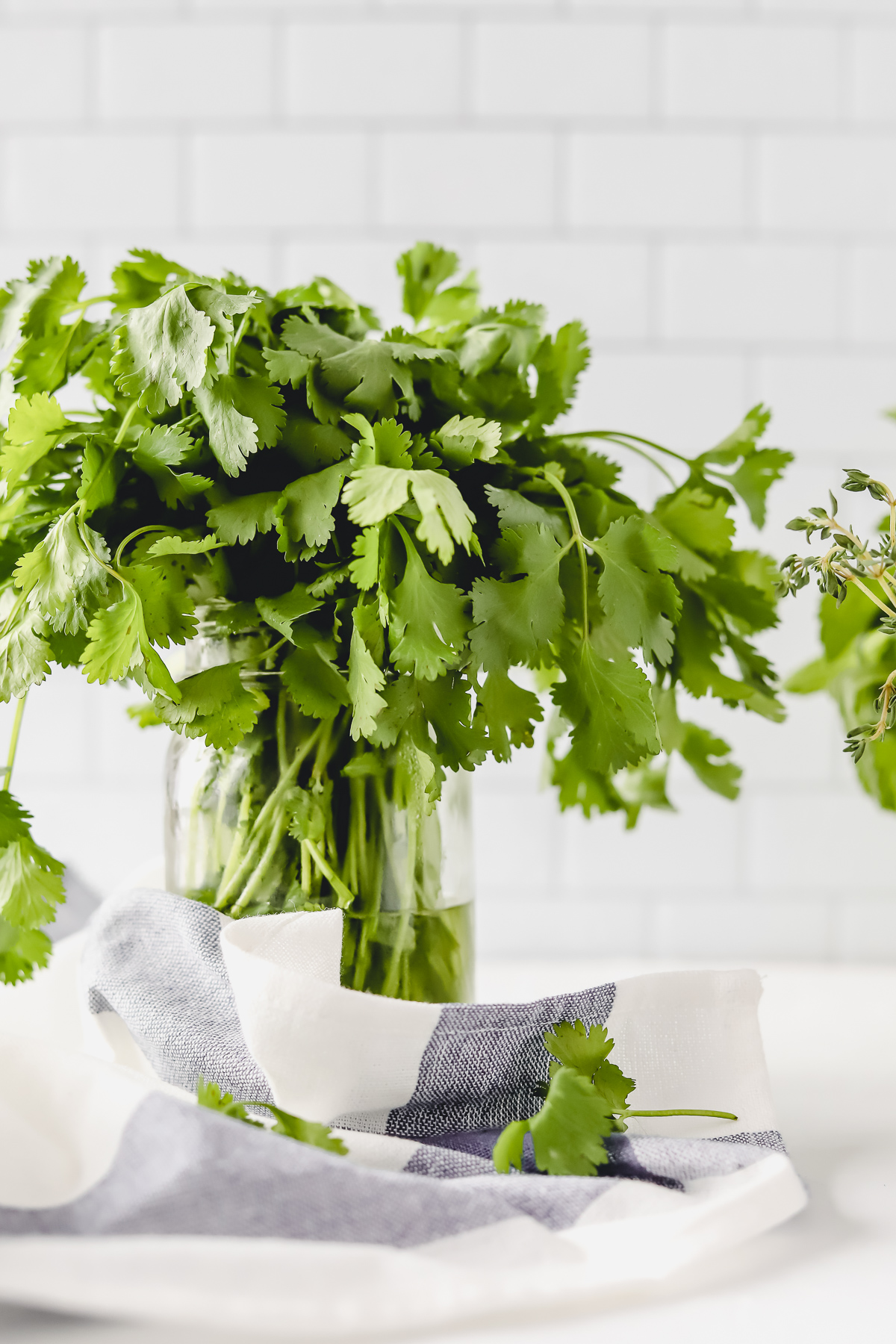
The best way to preserve herbs depends entirely on the type of herb you have. Tender herbs like basil, cilantro, and parsley preserve best through freezing methods, while sturdy, woody herbs like rosemary, thyme, mint and oregano preserve best through air drying methods.
The best herbs to dry
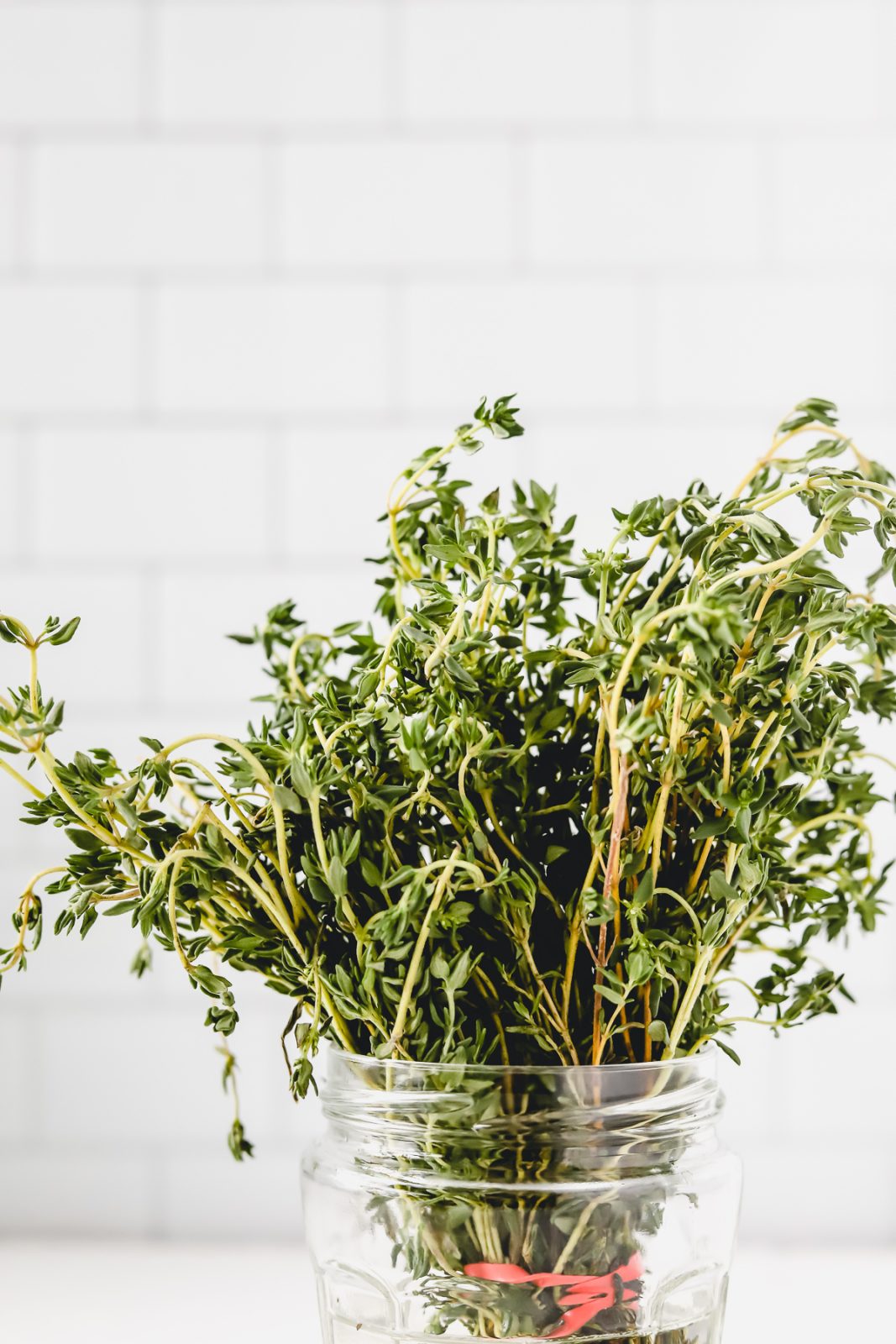
Woody, low-moisture herbs are the best herbs to dry because they retain their essential oils, intense flavors, and aromatic qualities much better than tender, more water-rich herbs. Think herbs like Rosemary, Thyme, Oregano, Sage and Marjoram.
How to dry herbs
To dry herbs at home, gently wash and thoroughly dry your fresh sprigs and leaves. The easiest and most flavorful no-equipment method is air-drying – you can also use a dehydrator, or your oven.
Preparing The Herbs
Harvest or buy fresh, healthy herbs
Wash gently in cool water
Pat dry completely dry paper towels or use a salad spinner
Air-drying method
Strip lower leaves from the bottom inch or two of the stems
Tie into small bundles using twine or a rubber band
Hang upside down in a dark, dry, airy room (like a pantry or closet) for 2 to 4 weeks
Dehydrator method
Place the herbs in a single layer on the trays
Set the temperature low (95°F to 115°F)
Check frequently after 1 hour; drying can take from 1 to 4 hours depending on the moisture and type of herb
Oven method
Place herbs in a single layer on baking sheets
Set the oven temperature to the lowest possible
Place baking sheets in the oven and leave the door open to keep the temperature at its lowest
Check frequently until completely dry
Enjoy your dried herbs year round
Using dried herbs is the easiest and the most versatile way to add big flavour to your everyday cooking. Simply measure the herbs you’d like to use, crush between your fingers or palms (this reactivates the essential oils) and add to your dish as per your recipe!
Common questions about drying herbs
Here are my tried and tested answers to the most common questions I receive about drying fresh herbs:
Should I wash herbs before drying them?
Yes, wash them gently in cool water and ensure to dry completely.
How can I tell when the herbs are dry and done?
The golden rule is that they must be brittle and crumbly. If you press a leaf between your fingers and it bends or stretches instead of instantly shattering into pieces, it’s not done!
Why is it important for the herbs to be completely dried?
Storing them with even a drop of moisture will cause mold to destroy the whole jar.
What is the best way to store them once they are dry?
Store them in airtight glass jars kept in a dark, cool place like a pantry or a cupboard. Avoid storing them above your stove, as the constant heat from your cooking will quickly destroy their quality.
Should I crumble the leaves before storing them?
No, always store dried herbs whole. Leaving the leaves whole acts as a natural seal that locks the flavorful essential oils inside.
How long do home-dried herbs last?
Generally, home-dried herbs keep their peak flavor and aroma for 1 to 2 years. They will never truly spoil or become unsafe to eat after this time as long as they stay perfectly dry, but they will eventually lose their flavour.
Why did my dried herbs turn brown and lose their smell?
This usually happens because they were exposed to too much light, heat, or humidity during or after the drying process.
How do I swap dried herbs for fresh herbs in a recipe?
Because drying removes all the water, the flavor becomes highly concentrated. The universal ratio is 1 to 3. If a recipe calls for 3 teaspoons of fresh herbs, you only need 1 teaspoon of dried herbs.
The best herbs to freeze
Tender, high-moisture herbs are the best herbs to freeze. They keep their vibrant color and essential oils perfectly when frozen, whereas drying them turns them brown and mutes their bright flavours. Think Basil, Cilantro, Chives, Dill and Parsley.
How to freeze fresh herbs?
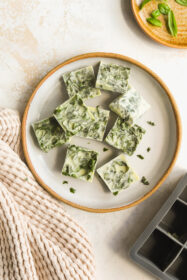
Method 1: Freezing Herbs in Ice Cube Trays and Water
This method is ideal for herbs you plan to drop directly into hot liquid dishes like soups, stews, and sauces.
Best for: Parsley, cilantro, dill, and chives
Wash, dry, chop: Wash the herbs, pat them dry, and chop them to your desired cooking size
Fill with herbs: Fill each well of an ice cube tray about two-thirds full with the chopped herbs
Cover with water: Pour water over the herbs until the wells are full, then gently press the herbs down so they are completely covered
Freeze and store: Freeze until solid, then pop the cubes out and store them in in a labeled freezer bag
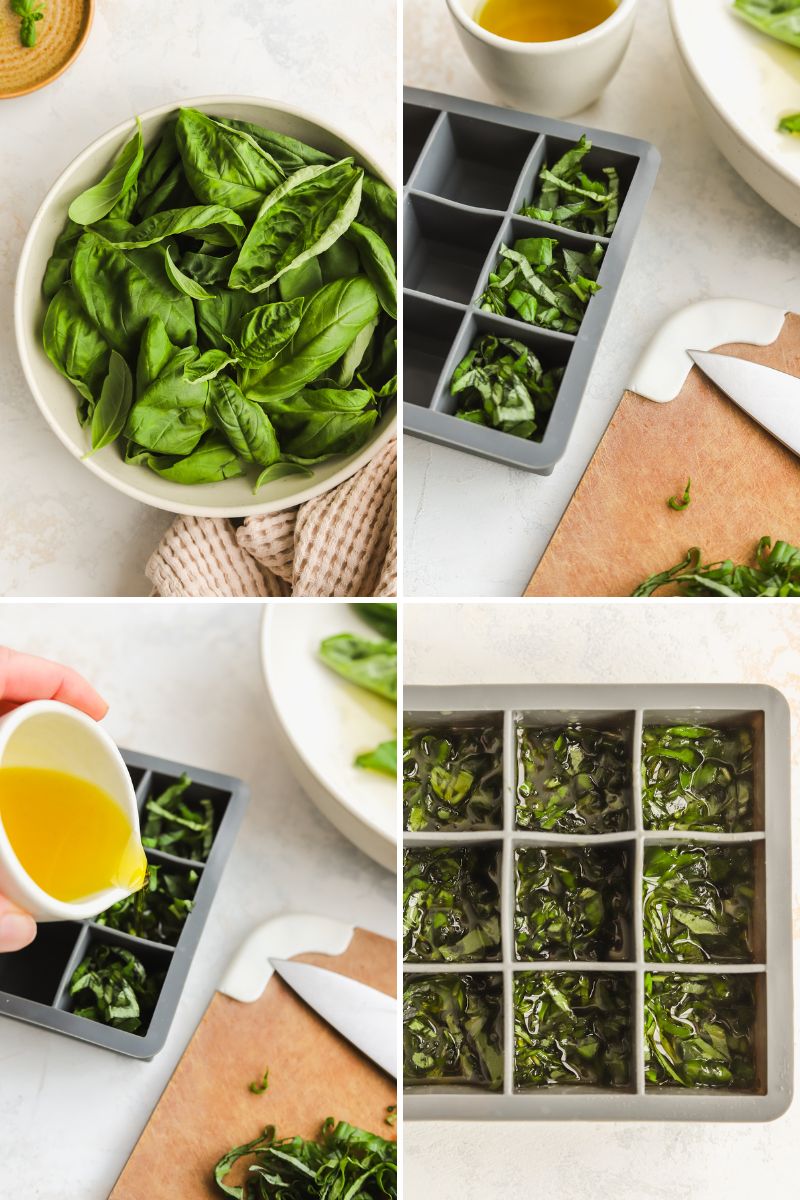
Method 2: Freezing Herbs in Olive Oil
This method protects tender herbs from freezer burn and prevents them from turning brown, making it perfect for hot dishes, pasta sauces, soups, and roasts.
Best for: Basil, oregano, thyme, rosemary, and sage
Wash, dry, chop: Wash the herbs, pat them completely dry, and chop them to your desired cooking size
Fill with herbs: Fill each well of an ice cube tray about two-thirds full with the chopped herbs
Cover with olive oil:Pour olive oil over the herbs until the wells are full, then gently press the herbs down so they are completely covered
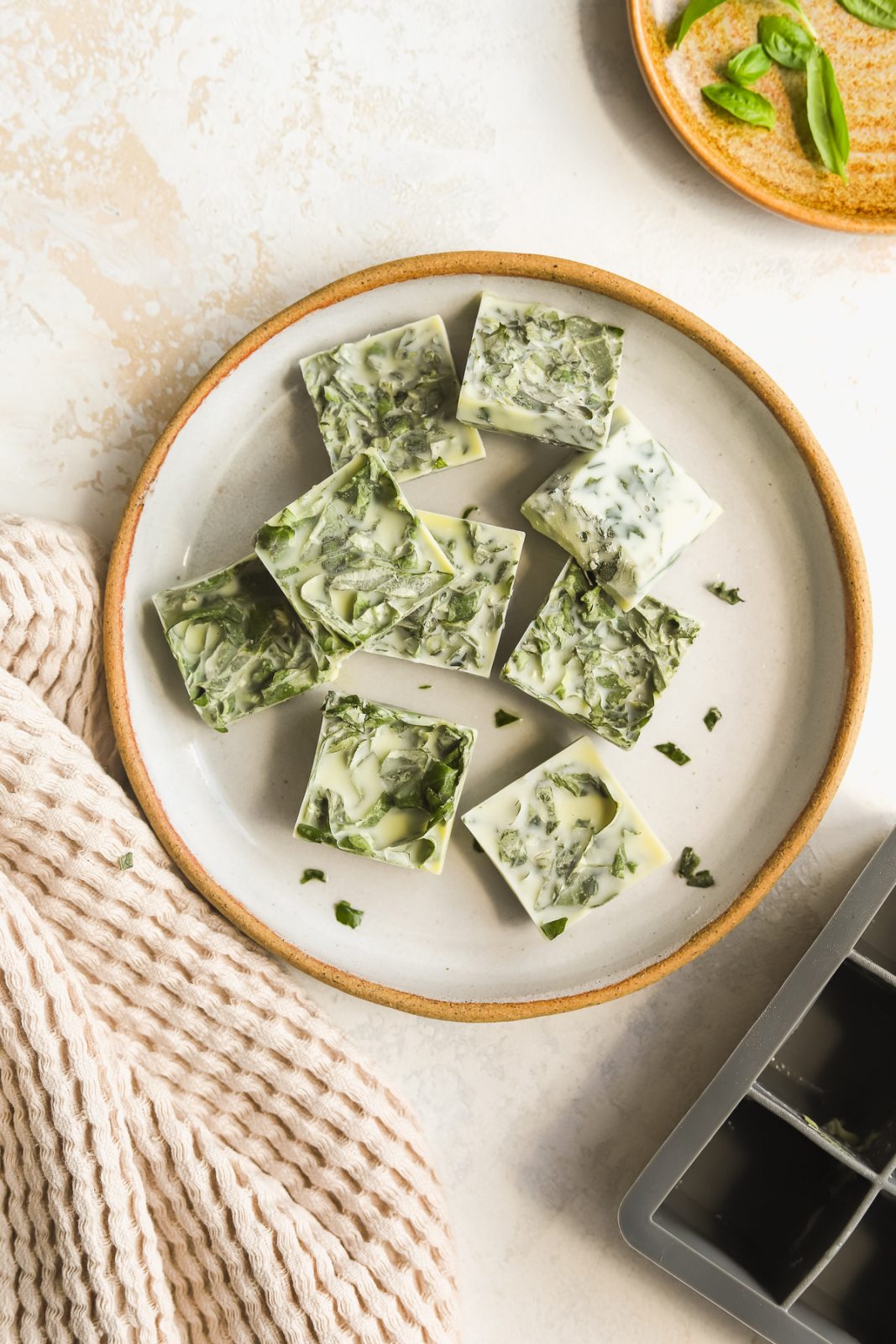
Freeze and store: Freeze until solid, then pop the cubes out and store them in a labeled freezer bag
Method 3: Freezing Herbs Flat (Flash Freezing)
This method allows you to harvest loose, individual leaves so you can measure out exact amounts later without defrosting a whole clump.
Best for: Sage, rosemary sprigs, and tarragon
Wash and dry: Wash the herbs and dry them completely with a paper towel, as any leftover moisture will cause ice crystals
Separate and layer: Strip the leaves off the stems, arrange in a single layer on a baking sheet lined with parchment paper
Freeze: Place the baking sheet flat in the freezer for 1 to 2 hours until the herbs are frozen crisp
Store: Quickly slide the frozen loose leaves into an airtight freezer bag, squeeze out the air, and store immediately.
Method 4: Make pesto with your herbs and then freeze
This method allows you to create a pesto sauce you can freeze and then use later.
Best for: parsley, basil and cilantro
Wash and dry: Wash the herbs and dry them completely with a paper towel.
You can freeze almost any garden herb, but freezing will change their texture (but not their flavour). For this reason, frozen herbs are strictly meant for cooked dishes – think soups and sauces, rather than fresh dressings, garnishes or salads.
How to use water-frozen herb cubes
These cubes are perfect for liquid-based dishes where the melting water simply blends into the recipe.
Direct addition: Drop the frozen water cubes directly into simmering pots of soup, stew, chowder, or curry
Sauces and gravies: Add a cube into pasta sauces, chilis, or gravies during the last 10 to 15 minutes of cooking
How to use oil-frozen herb cubes
These cubes double as your cooking fat and flavor base, making them highly versatile for stovetop cooking.
Pan searing and sautéing: Drop an oil cube directly into a hot skillet to melt, then use that herb-infused oil to sauté vegetables, chicken, steak, or fish
Roasting: Thaw a cube for a few minutes in a bowl and brush the herb-oil paste over potatoes, root vegetables, or a whole chicken before baking
Sauce starter: Melt a cube in a saucepan as the starting base
How to use flat-frozen (loose) herbs
Because these were frozen individually, you can use them exactly like you would fresh herbs (again only in hot dishes).
Measure cold: Take the bag out of the freezer, scoop or pinch out the exact amount you need, and immediately put the bag back in the freezer
Skip the thawing: Toss the frozen leaves directly into your soup, pasta sauce, or curry; they will thaw and release their flavor within seconds of hitting the heat
Tips for storing and using frozen herbs
Double bag it: Fresh herbs fragrances aren’t only potent when fresh, it can seep out while frozen. I recommend using a heavy duty/freezer ziplock bag, or double bagging your herbs to avoid your ice and other items taking on the flavours
Label with dates and types: Use a permanent marker to write the date and herb type on the container, use the oldest batches first
Common questions about freezing herbs
How do I know if my frozen herbs are cubes are still good?
Check for freezer burn (large ice crystals formed inside the container), a rancid smell (olive oil can oxidize over time) or complete browning (if the leaves have turned entirely black or dark brown, the flavor will likely taste bitter or metallic).
Can I freeze herbs in Ziploc bags?
Yes, it’s one of the easiest and most popular ways to preserve herbs. I recommend a plastic bag made specifically for the freezer to avoid freezer burn.
Can you vacuum seal fresh herbs without blanching?
Yes, you can vacuum seal fresh herbs without blanching, but only if you store them in the freezer.
How long do frozen herbs last?
Frozen herbs generally keep their best flavour and texture for 6 to 12 months when stored in airtight freezer bags. While they remain completely safe to eat past this timeframe, their flavour won’t be as strong.
Why did my herbs turn black or brown in the freezer?
Browning is caused by oxidation when the leaves exposed to oxygen and freezer air. Toss your herbs if this happens.
Is it safe to store herbs in oil at room temperature instead?
Absolutely not. To prevent food poisoning, fresh herbs in oil must always be frozen for long-term storage.
Recipes you can use your preserved herbs in
Sheet Pan Hot Honey Chicken with Brussels Sprouts
Make this Sheet Pan Hot Honey Chicken for a quick weeknight dinner! Bake with brussels sprouts & finish with hot honey for lots of flavor.
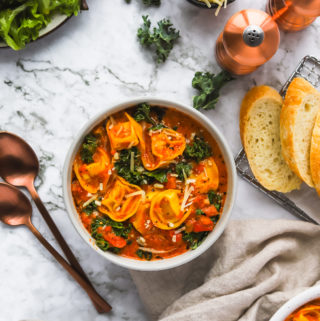
This One Pot Tortellini Soup is made for cozy nights. With lots of herbs, tomatoes and cheese tortellini, it's packed with flavour and easy to make on a weeknight!