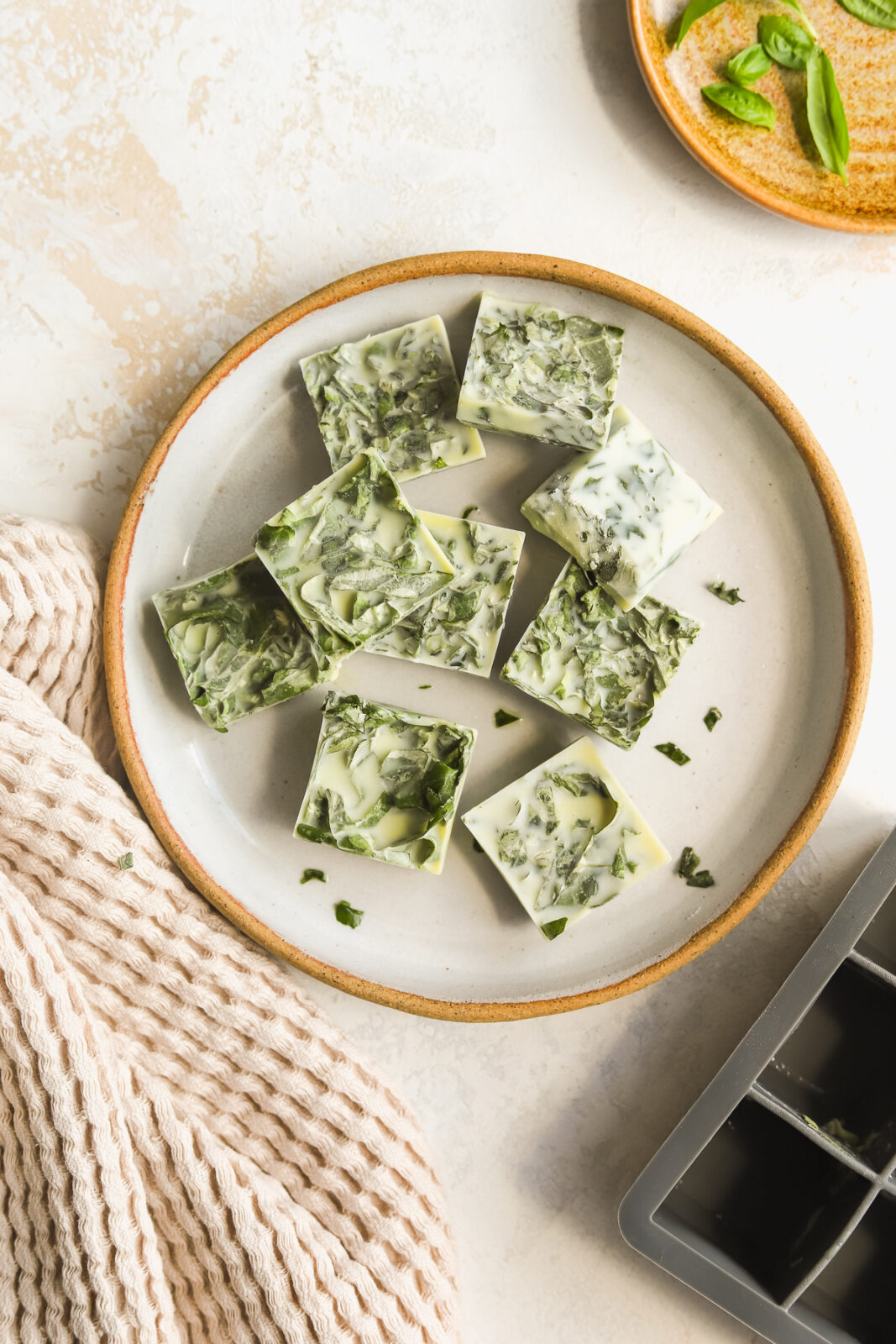
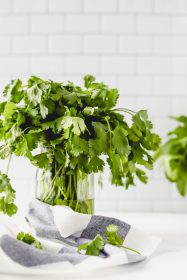
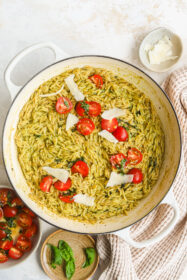
Have lots of fresh basil? Preserve your basil’s fresh flavor by freezing it in olive oil!
Since the growing season of basil can be quite short, freezing the fresh basil is one of the easiest ways to preserve flavor and use it all year long.
I love to plant fresh herbs every year in my garden and basil plants are one of my favorite herbs in the Summer. However, with such a short season, I wanted to find an easy way to enjoy my basil in different ways once the end of summer comes around. Following my three favorite methods, I’ll show you how to freeze basil in olive oil for use in the Fall and middle of Winter.
Why Freeze Fresh Basil In Olive Oil?
Locks in flavor: The olive oil traps the oils of the basil, ensuring the herb tastes fresh and fragrant when thawed.
Convenient portions: When frozen in ice cube trays or smaller silicone molds, you get perfectly portioned ‘fresh herb bombs’ you can drop directly into hot pans or soups.
Stops discoloration: Freezing basil on its own causes the basil to discolor. Covering it in oil protects it from the air, keeping your basil bright and beautiful!
Ingredients needed
Fresh basil leaves Extra-virgin olive oil
How to prepare fresh basil for freezing
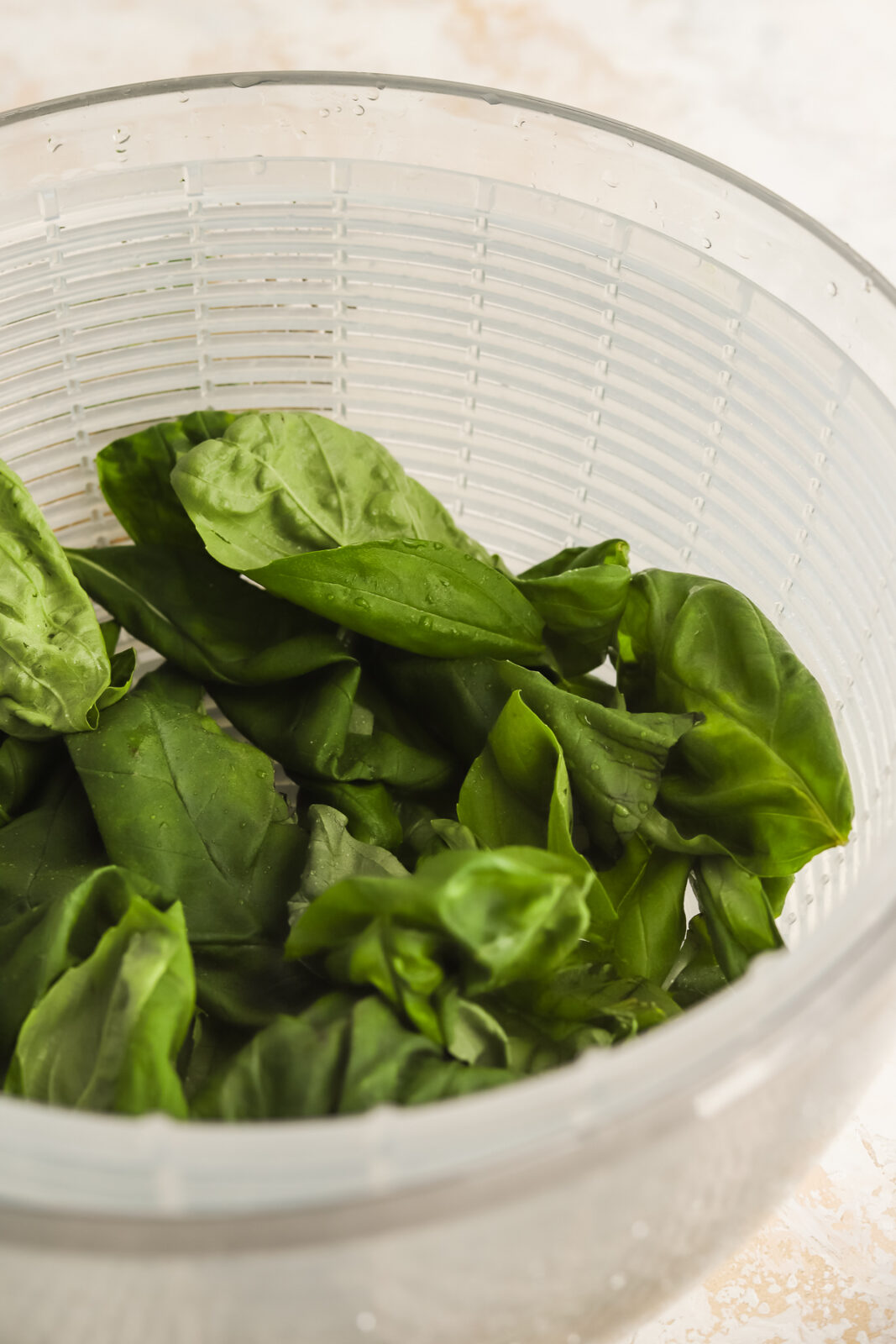
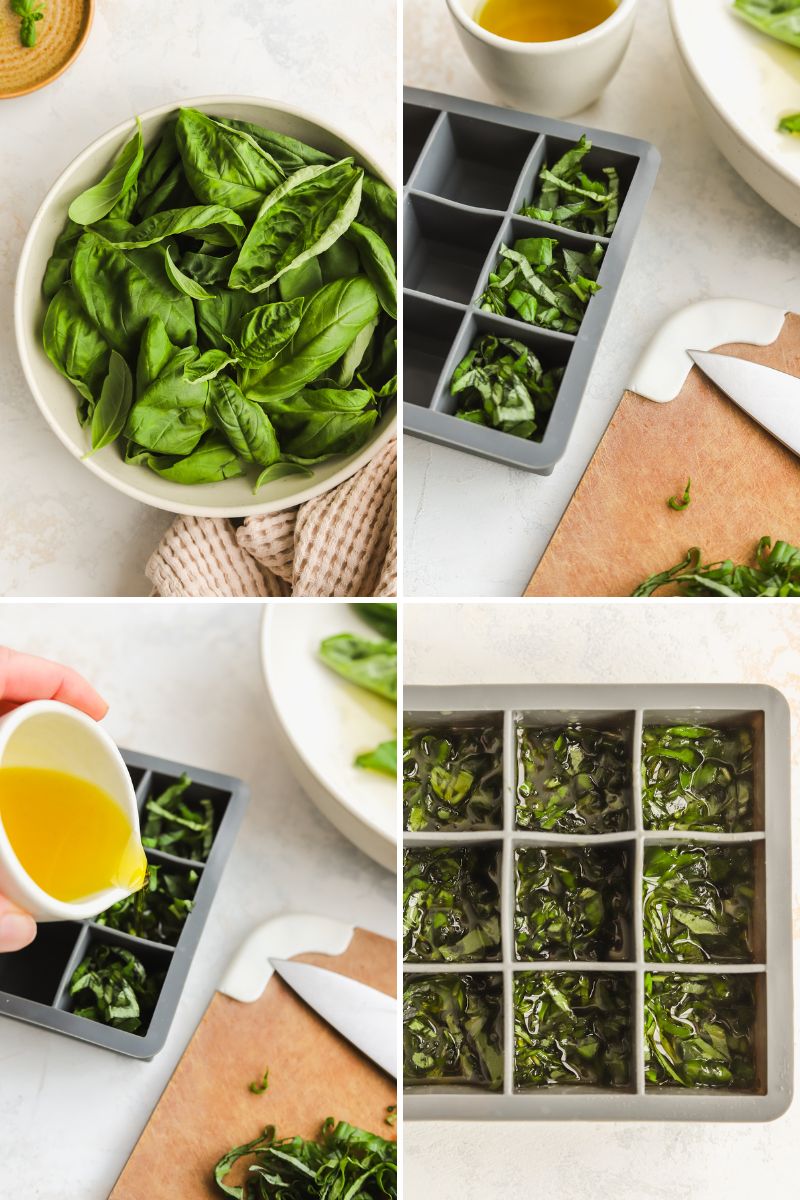
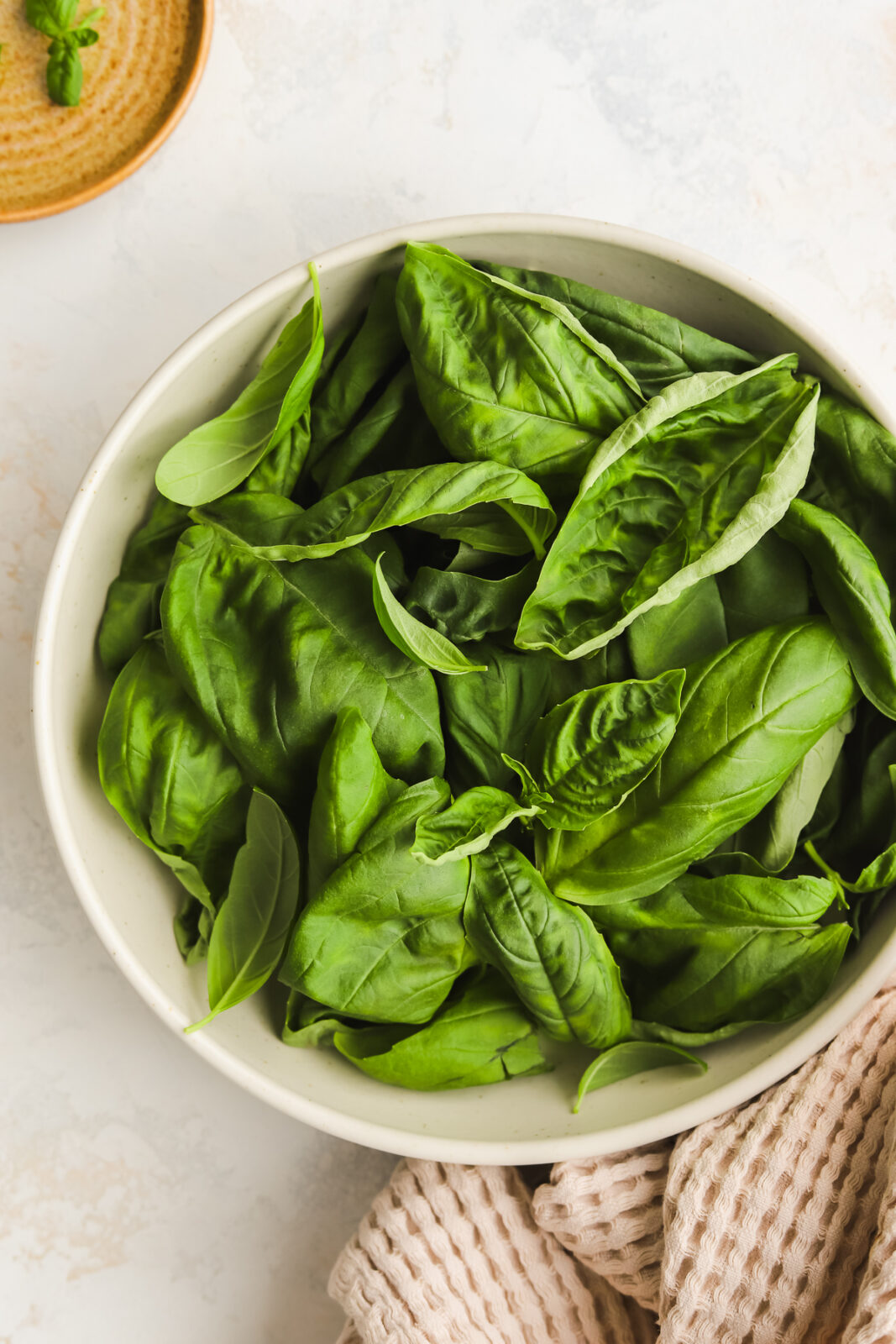
Remove the leaves from the stems, then wash the leaves thoroughly and dry them completely (moisture causes ice crystals). Using a salad spinner and paper towel is the most effective and simple way to do this.
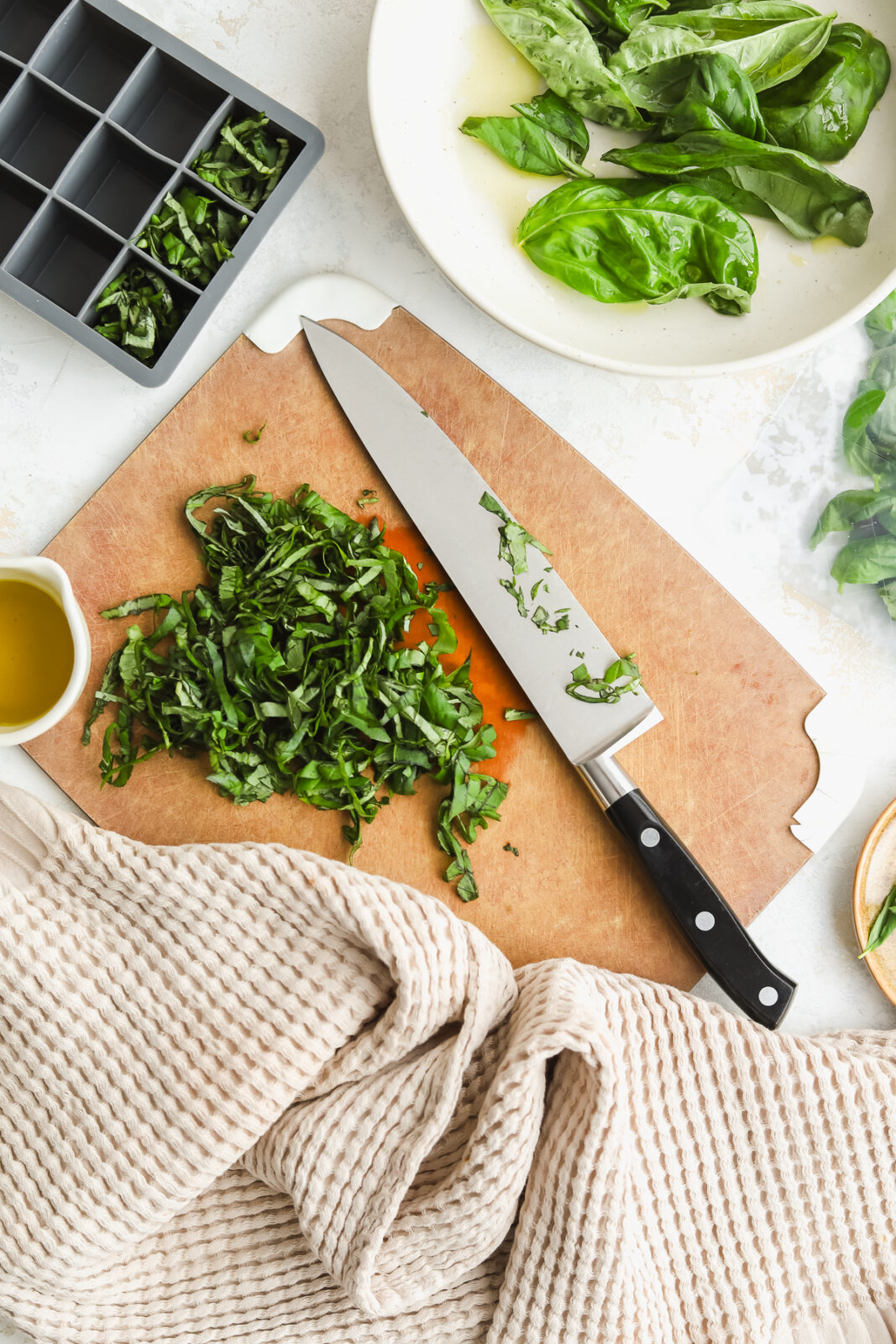
Chop & fill: Finely chop the basil leaves and pack into an ice cube tray.
Add oil: Pour olive oil over the chopped basil until the leaves are completely covered.
Freeze & store: Freeze until solid (ideally overnight). Once frozen, remove the frozen olive oil cubes and store in a heavy duty freezer bag or freezer-safe container.
Method 2: Blending basil with olive oil and freezing in portions
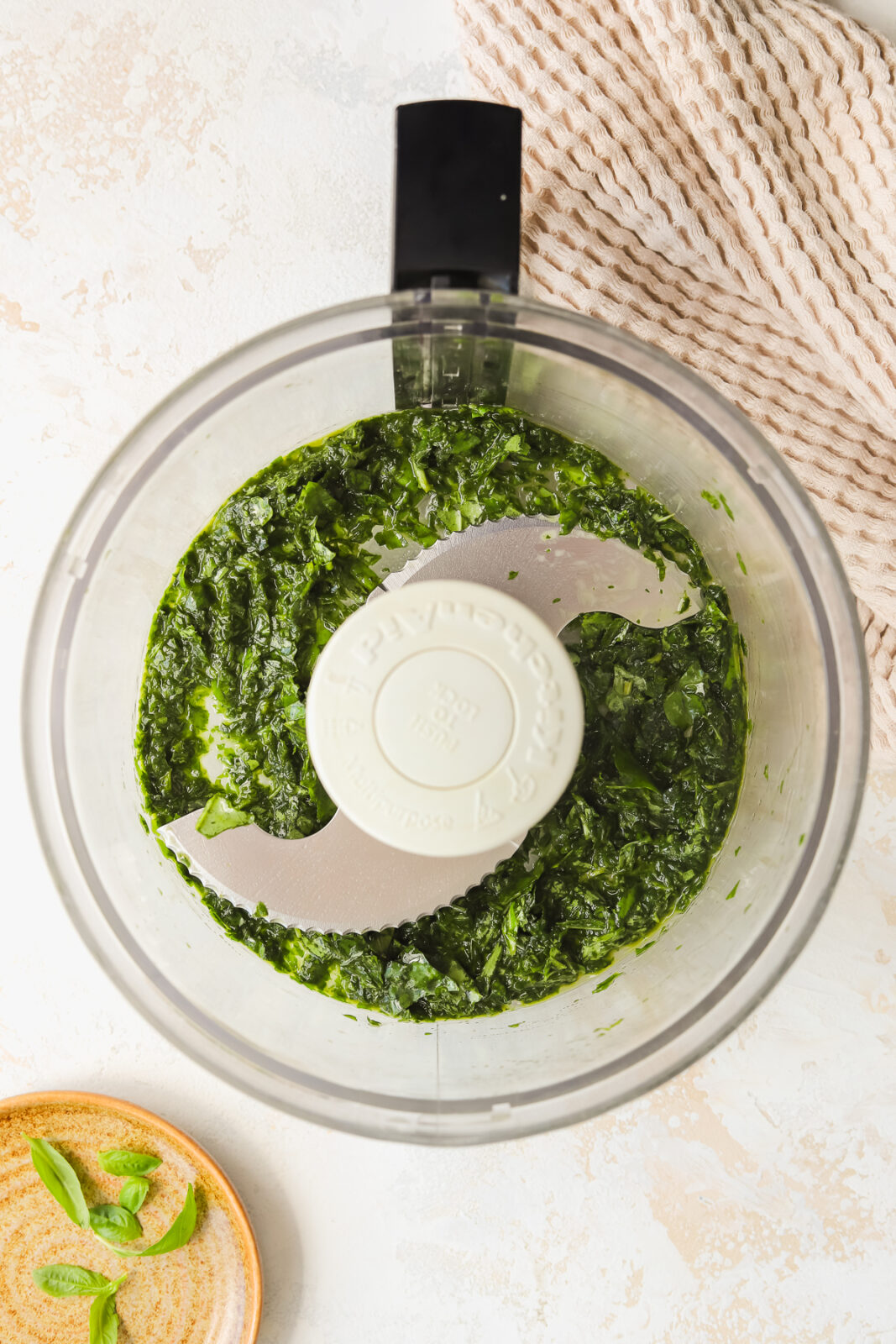
Blending basil with olive oil before freezing creates a stunning green paste— similar to a pesto base—that preserves its flavor and texture.
Remove the leaves: Remove the leaves from the stems.
Wash and dry: Wash the leaves thoroughly, run them through a salad spinner, and pat them down with paper towels.
The ideal ratio: Use 1 tablespoon of olive oil for every 1 cup of firmly packed fresh basil leaves.
Puree: Place the dry basil leaves into a food processor or blender. Drizzle the oil evenly over the top based on the ratio above – pulse until the basil is finely chopped and completely coated in oil. Stop pulsing before it turns into a completely liquid puree – a little bit of texture is best.
Portion: Spoon the pureed basil paste into a clean plastic or silicone ice cube tray. Fill each well about 3/4 full to leave room for expansion.
Seal: Pour a small drizzle of olive oil over the top of each individual cube. This creates a seal that stops the top layer from turning brown.
Freeze & store: Freeze until solid (ideally overnight). Once frozen, remove the frozen cubes and store in a heavy duty freezer bag.
Method 3: Layering basil leaves with olive oil and freezing
Layering whole basil leaves with olive oil before freezing is a wonderful way to keep the basil fresh-tasting and to preserve their shape and color throughout the winter months.
Coat & toss: Put your washed and fully dry basil leaves into a large bowl, add a small amount of extra virgin olive oil to the bowl (roughly 1-2 tablespoon of oil for every 1 cup of basil). Then toss gently with your hands until all the basil is coated.
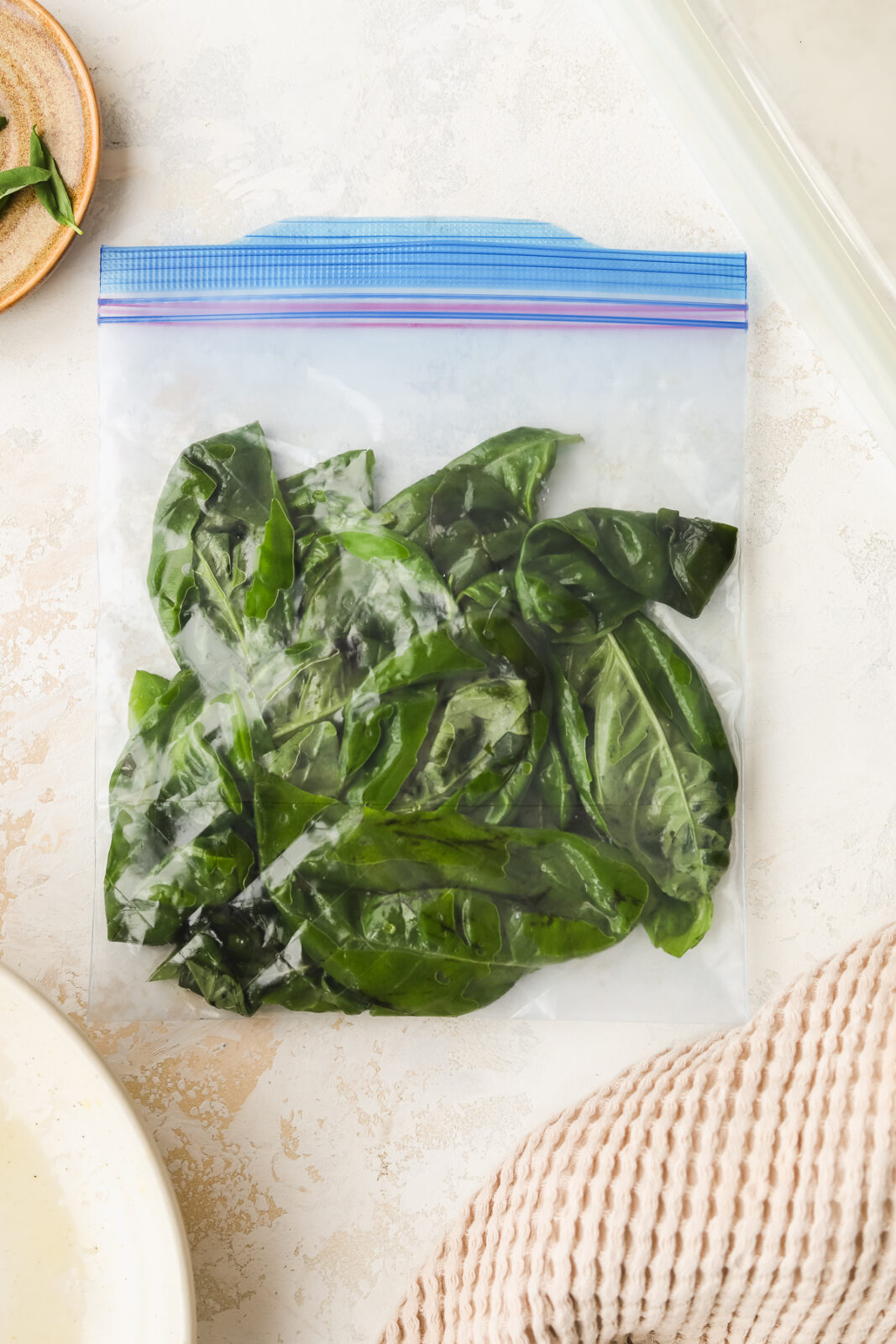
Layer flat: Place the oil coated leaves into a heavy-duty freezer-safe bag. Layer them evenly so they lay flat and squeeze out any extra air. Press your hands firmly over the bag to push all the trapped air out toward the opening, then seal it tightly.
Freeze flat: Lay your bag flat on a freezer shelf or sheet pan until frozen solid. This not only helps save space but is the best method to break off a piece and use exactly what you need.
Tips for storing and using frozen basil in olive oil
Double bag it: Basils fragrance isn’t only potent when fresh, it can seep out while frozen. I recommend using a heavy duty/freezer ziplock bag, or double bagging your basil to avoid your ice and other items tasting like basil.
Label with dates: Use a permanent marker to write the date and oil type on the container. Use the oldest batches first.
Enjoy fresh basil flavor year round – how to use
The frozen basil in olive oil cubes are one of my ultimate kitchen shortcuts, allowing you to completely skip the thaw and drop frozen shards directly into hot pans where they will melt within 30 seconds.
Break off the pieces of frozen whole leaves in oil to add to hot dishes – serving as an instant flavor base for pasta sauces, tomato sauces, stews, soups, curries, and risottos.
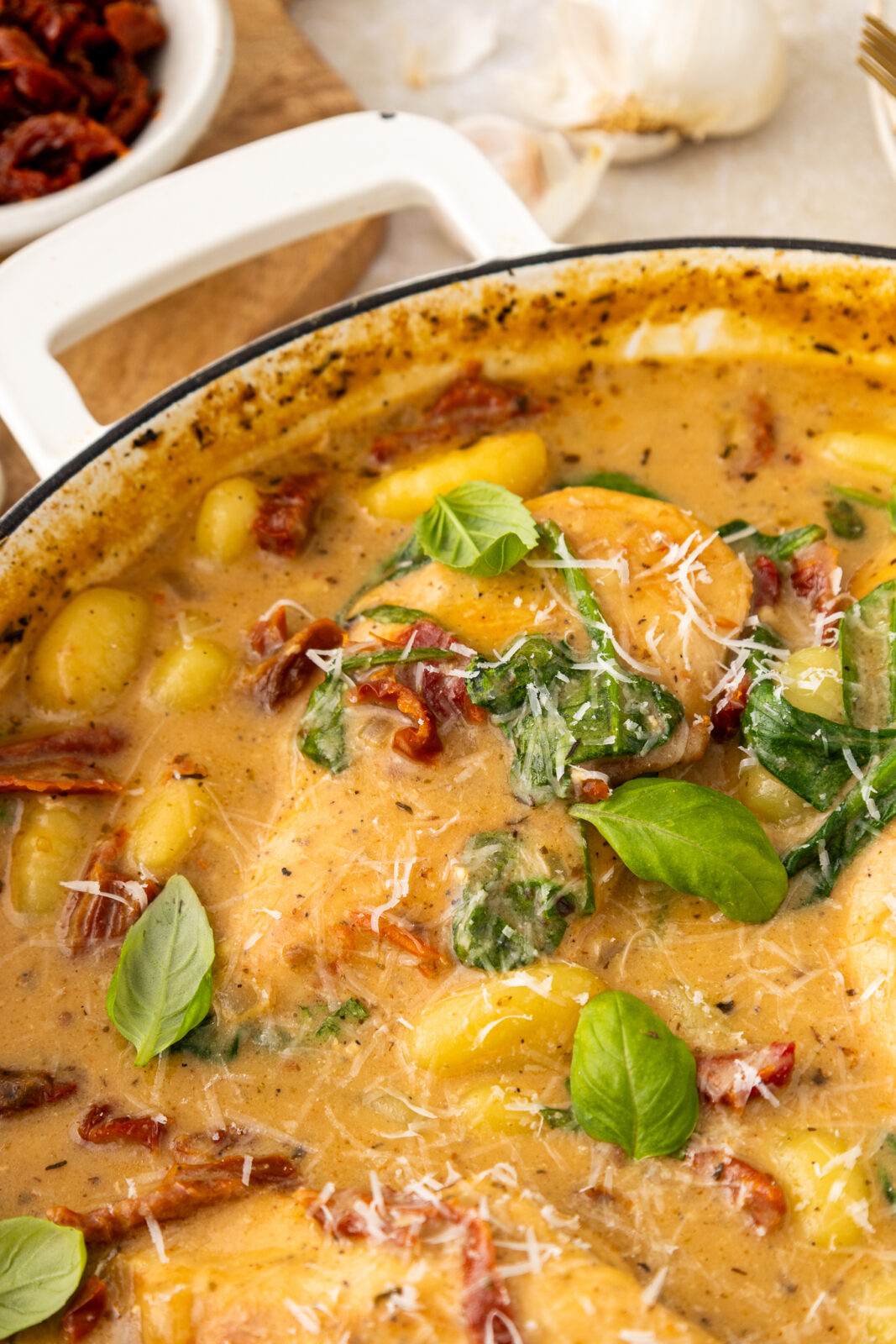
For restaurant style trick, use a chunk of this basil oil or a couple of cubes to de-glaze your pan after searing chicken or steak; dropping it into the hot pan lets you scrape up all those wonderful caramelized browned bits to create an instant, flavor-bomb pan sauce. These flavor bombs can easily be used in my Marry Me Chicken and Minestrone Soup recipes – along with many more.
Finally, you can easily upgrade your next batch of garlic bread by melting a cube of basil oil, mixing it with a minced clove of fresh garlic, and brushing it over your bread before toasting it.
WINTER
How long does frozen basil in olive oil last?
Proper storage keeps your frozen basils flavor fresh for 6 to 9 months – getting you through those cooler months!
How do I know if my cubes of basil are still good?
Check for:
Freezer burn: Large ice crystals formed inside the container.
Rancid smell: Olive oil can oxidize over time. If it smells like play-dough, crayons, or stale cardboard instead of fresh basil, the oil has gone rancid.
Complete browning: If the leaves have turned entirely black or dark brown, the flavor will likely taste bitter or metallic.
FAQs
How long does the frozen basil and oil last in the fridge (pureed, chopped or flat)?
Six to nine months is best; the basil is at its freshest.
If I run out of olive oil, what else can I use?
Recommended substitute: Avocado Oil Use in a pinch: Grapeseed Oil, Sunflower or Safflower Oil, Canola or Vegetable Oil Do Not Use: Coconut Oil, Sesame Oil or Walnut Oil or Butter
Can I use in fresh salads?
No, once its thawed, it will look wilted and wet, the flavor is gone.
How do I know if my cubes of basil are still good? Check for:
Freezer burn: Large ice crystals formed inside the container. Rancid smell: Olive oil can oxidize over time. If it smells like play-dough, crayons, or stale cardboard instead of fresh basil, the oil has gone rancid. Complete browning: If the leaves have turned entirely black or dark brown, the flavor will likely taste bitter or metallic.